0

Latitude Z shines among new Dell systems


World's thinnest and lightest 16-inch laptop?

Dell has introduced several new business systems, including a novel Latitude laptop with wireless docking and charging, the Precision T1500 workstation and new cost-effective OptiPlex desktops.

The Latitude Z600 is described as the world's thinnest and lightest 16in laptop, measuring between 14.5mm and 20.1mm thick with a starting weight of 2kg.

Available from today in selected countries in Europe, Asia and North America, the Z600 is targeted at "impression makers", which includes entrepreneurs, attorneys, creative professionals and salespeople, according to Dell.

"It's a brand new premium laptop, extremely thin, weighing just 2kg, but still offering four hours' battery life and up to two solid state drives," said Dell's head of commercial laptops, Lionel Bohar.

Dell also claims that the Z600 is the world's first laptop to feature wireless docking and inductive charging, but this requires a separate stand that will not be available until November.

The laptop uses the short-range ultra-wideband wireless technology to connect with the stand, which then plugs into an ordinary keyboard, mouse and display. Inductive coils in the laptop and stand allow for wireless charging.

"You put the Z on the stand and it will charge the battery automatically," said Bohar.

The Latitude Z600 is based on Intel Core 2 Duo 1.6GHz SU9600 or 1.4GHz SU9400 processors, and ships with 2GB or 4GB memory. Prices start at £1,319.

The laptop has a four-cell battery as standard to keep the weight down, and uses Flash drives for storage in 64GB, 128GB or 256GB options.

It comes with software that lets the user scan business cards using the laptop's webcam, and a tool called FaceAware that automatically locks the system if the user steps away from it.

The Latitude Z series also introduces Dell's Latitude ON technology, which lets users access the internet, emails, calendar and contacts without having to boot into Windows.

While similar capabilities are available on other laptops, Latitude ON uniquely uses a separate board with an ARM processor running a version of Linux, which can boot up in just a couple of seconds and draws much less power than the main Intel processor.

"The battery can last for days if you use it like this," said Bohar.

The Latitude ON module also has its own Wi-Fi connection, and can use the system's 3G modem, if present, to connect to the internet for web and email access.

"It's like having a BlackBerry embedded in your computer," Bohar said.

As well as an Outlook-like email client capable of linking to a corporate Exchange server, the Latitude ON module has an embedded Cisco VPN client, Firefox browser and Citrix Receiver client, capable of linking to a server-hosted virtual desktop or thin client session.

"Our customers have been asking for something like this for years," said Bohar.

With a Wi-Fi or HSDPA connection, Latitude ON can securely connect directly to an Exchange email server via a Cisco virtual private network, or can be used to access a virtual desktop or thin client session using the built-in Citrix Receiver client.

Latitude ON is a standard feature on the Latitude Z series, and as an optional upgrade on the Latitude E4200 and E4300 models.

Also announced today is the Dell Precision T1500, which the company said is the first workstation built from the ground-up and ready certified for running AutoCAD.

The Precision T1500 is based on Intel Core i5 and Core i7 quad-core processors with up to 16GB memory and a choice of ATI FirePro and Nvidia Quadro cards.

Dell also introduced the OptiPlex 780 as a cost-effective mainstream desktop platform for business customers.

The OptiPlex 780 offers a breadth of configuration options, from Celeron up to Core 2 Quad processors, up to 8GB memory and a choice of several ATI or Nvidia graphics cards beyond the integrated Intel graphics functions.

All are compatible with Intel's vPro technology for management, and have a 15-month targeted lifecycle and energy-conscious design options, according to Dell.

Source

Read more
0

Intel Core i7-720QM, i7-820QM, i7-920XM CPUs; Calpella Platform Launched


Intel Corporation officially introduced today the first laptop-use Intel Core i7 processors, based on the company’s latest Nehalem microarchitecture.

The three Core i7 mobile quad-core 45nm CPUs are the Core i7-720QM and the i7-820QM for mainstream notebooks, and the Intel Core i7 Extreme i7-920XM for high-performance gaming laptops.

The i7-720QM at 1.6GHz and the i7-820QM at 1.73GHz have 6MB and 8MB of cache, respectively, while the 2GHz i7-920XM also features 8MB of cache. The i7-720QM and i7-820QM have a maximal thermal design power (TDP) of 45W, whereas the i7-920XM consumes up to 55W.

The chips offer Intel Turbo Boost technology, “which can accelerate the processor clock speed up to 75 percent to match workloads”, as well as better performance on highly threaded applications with the Hyper-Threading technology. Intel’s new mobile processors also include support for faster two-channel DDR3 1333MHz memory and improved PCI Express 2.0 interface for graphics chips.

However, the main innovation is integration of the memory controller onto the CPU silicon, removing the need for the older and slower front side bus technology.

The first Core i7 laptop processors, also known as “Clarksfield”, are accompanied by the new Intel PM55 Express “Ibex Peak” chipset. These Socket PGA988 CPUs and the PM55 chipset are parts of the Intel’s sixth-generation Centrino platform called “Calpella”.

Pricing for the Intel Core i7-720QM, i7-820QM, i7-920XM mobile processors is $364, $546, and $1,054, respectively.

Intel says the leading OEMs including Asus, Dell, HP and Toshiba began shipping the Core i7-based laptops today, with additional systems from OEMs available in the coming months.

Source

Read more
0

HP Pavilion dv8 18.4″ Laptop Features Core i7, GeForce GT 230


The specifications of the dv8-1080 model include the Intel Core i7-720QM 1.6GHz CPU, the GeForce GT 230 video card with 1GB of video memory, up to 8GB of RAM, up to 640GB of storage using two hard drives, a Blu-ray combo drive, and a full HD display resolution of 1920×1080 pixels.

HP’s desktop replacement laptop sports Altec Lansing speakers with integrated subwoofer, Dolby Home Theater sound technology, a web camera with microphone, 802.11n WiFi, Bluetooth, Gigabit LAN, HDMI and VGA outputs, four USB ports, an eSATA/USB connector, an ExpressCard slot, Firewire, a 5-in-1 media card reader, and a fingerprint reader.

The dv8 weighs 8.95 pounds and runs Windows 7 OS, according to the specs sheet.

We have no info on release date and pricing.

Source

Read more
0

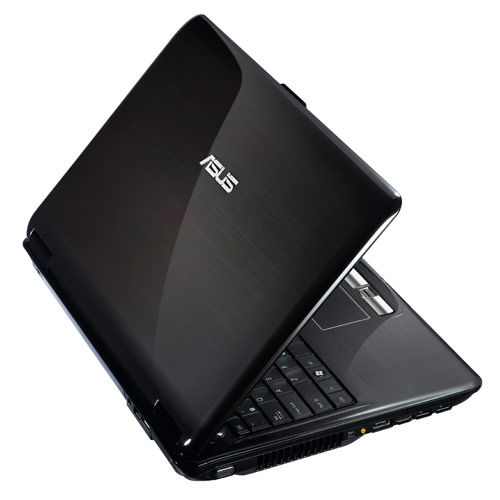
Asus M60J Laptop with Core i7 Unveiled


Access Your Media Effortlessly

The AI TouchMedia is a one-touch multimedia center with an intuitive control panel that combines both hardware and software interface to control videos, photographs, music, and various other forms of multimedia. Users can create playlists, modify pictures, and watch movies and videos with effortlessly.

Encapsulate Yourself in Virtual Surround Sound

Complementing the spectacular visuals in pitch-perfect unison are Altec Lansing® speakers with Dolby® 2 Home Theater certification. They provide an immersive cinematic audio experience that adds a sense of realism to movies, videos and games.

More Media and Data On-the-move

Users can also take more multimedia and data files with them wherever they go, thanks to dual hard disk drives providing up to 1TB of storage space.

Stunning Visual Entertainment for True-to-life Images

The satin-brushed aluminum ASUS M60J features a 16-inch flush high definition display with a 16:9 aspect ratio for crisp and clear images. Equipped with an NVIDIA® GeForce® GT 240M graphics card with 1GB DDR3 VRAM, you can enjoy truly stunning video quality and immersive visual entertainment.

Sources

Read more
0

Nokia N96 Media Phone


Nokia finally officially announces the next flagship model of the N-series, the Nokia N96. The handset is optimized for video and TV viewing. In fact, in some territories, the integrated DVB-H receiver could be used to watch live TV broadcast and it even sports a kickstand at the back for hands-free viewing. The Nokia N96 has a 2.8-inch screen and 16GB of internal memory, which is expandable with the addition of microSD cards. The N96 supports various and common video formats such a MP4, Flash, and WMV. It features a 5-megapixel camera with Carl Zeiss optics and can capture DVD-quality video at 30 fps. It also has WLAN and HSDPA support as well as integrated A-GPS which lets you geo-tag your images. The Nokia N96 will be released on Q3 2008 with a MSRP of US$800 (€550) sans taxes.


Nokia N96 Specifications:
* Standards: GSM/EDGE 850/900/1800/1900 MHz and WCDMA/HSDPA 900/2100 MHz
* Platform: S60 3rd Edition FP 2
* Display: 2.8” QVGA, 16M colors
* 16 GB of onboard memory
* microSD-slot
* Media player (MPEG-4/SP and MPEG-4 AVC/H.264, RealVideo, Windows Media (WMV9), Flash Lite 3.0, MP3, AAC, eAAC, eAAC+, WMA)
* 5-megapixel camera with Carl Zeiss lens, video capture at VGA resolution, 30 fps (double LED flash active at video shooting too)
* Wi-Fi (802.11b/g), Bluetooth 2.0 EDR (A2DP stereo profile)
* Integrated GPS-receiver with A-GPS
* DVB-H Class C
* microUSB-port
* TV-out
* FM-radio with RDS
* Battery: 950 mAh
* Talk time: up to 150 minutes (3G) or up to 220 minutes (GSM)
* Standby time: up to 200 hours (3G) or up to 220 hours (GSM)
* Playback time: up to 5 hours (video), 14 hours (audio) and 4 hours (TV)
* Dimensions: 103x55x18 mm
* Weight: 125 g
Read more
0

LG CYON-Shine SV420 Mobile Phone


The LG-SV420 is part of LG's "Black Label" range, which includes the LG Chocolate, although there are many different "Chocolate" handsets in different markets. So, this Korean CDMA version of the LG Shine is called the LG-SV420, but any derivative for worldwide markets would be slightly different.

Really, the LG-SV420 is about looks rather than raw technology. It's a sleek looking slim slider, which is certainly very shiny and is nicely alliterative. The large 2.2" screen has a mirrored effect which complements the overall design. The primary control is a scroll key arrangement in the middle of the handset, plus a couple of selector buttons. The LG-SV420's keypad unslides to reveal a pretty conventional keypad with a discrete checkerboard pattern.


It does look familiar though, and there's more than a passing resemblance to the Motorola RIZR complete with a RAZR-style step at the bottom, but it's a far more polished (ahem) design that gives the LG Shine an edge over the competition.

Underneath, the LG-SV420 is decent enough but not all that exceptional, with a 240x320 pixel display, 2 megapixel camera with flash, 1Gb of memory, an MP3 player and all the usual stuff. The LG-SV420 is an EV-DO handset (which makes it 3G), weighing in at 115 grams and measuring 94x51x14mm - which isn't too bad. Talktime is around 3 hours with up to 3 days standby time. You can expect any worldwide version of the LG Shine to be similarly specified.
As with the Chocolate, the LG Shine is a fairly standard handset with a sprinkling of special features.. but one that looks fantastic. Given that the Chocolate has been a huge sales success in Europe, it's quite likely that any version of the LG Shine would be equally successful, and will be hotly anticipated.
Read more
0

Nokia 5800 XpressMusic


The Nokia 5800 XpressMusic is, despite its youth-orientated name, Nokia’s answer to the iPhone. Its touch screen, downloadable applications and weighty set of business uses puts it in direct competition – but does it stand up to the comparison?
The short answer is ‘yes’. Nokia have waited a long time before bringing out a decent touch screen phone, despite them being en vogue with mobile phone buyers for some time.

And clearly, the manufacturer has been careful to produce a handset of substance.

• Size: 52 x 111 x 15.5 mm
• Weight: 109g
• LCD screen size 640 x 360
• Talk time: between five and 10 hours
• Battery standby: up to 400 hours
• Memory: 81MB internal memory, supports up to 16GB micro SD

We liked:

Nokia’s 5800 XpressMusic is a great phone. The fact that many commentators are calling it the first 'real competitor' to the iPhone is complement enough, but it is not a straight clone of Apple’s offering.

It’s smaller than other handsets, but manages to squeeze in an impressively large screen (at 3.2 inches) that makes viewing documents, photos, video and the internet easy-peasy.

The 5800’s layout is intuitive and copes well with the numerous tools that it offers the user. The camera is good, though the pictures are fairly low quality and video capture is impressive even when you play films back on the handset itself.

There’s a voice recorder which allows you to witter on for a full hour, a radio and mp3 player. You can access a range of (mainly American) podcasts and buy your favourite tunes from Nokia’s own music store.

For business people on the move there’s the opportunity to download versions of Adobe Reader and Quickoffice, and the phone syncs seamlessly with Outlook, so you can check and send emails too.
Meanwhile, for texting, there’s the option of a standard or QWERTY keyboards, which appear on the touch screen at your request. The buttons are chunky and you can type a message quickly and simply.

You can also use a stylus (supplied with spare), if you’re into that sort of thing.

The 5800 offers web-surfing to compete with the iPhone with 3G, HSDPA and wi-fi connectivity. It’s quick enough to be useful too, although panning around a webpage can be slow and jittery.

It all sits on the Symbian operating system S60, fifth edition, which like the iPhone before it allows developers to build their own apps for customers to download. This hasn’t taken off like it did with the iPhone, but there’s plenty of time yet.

But we didn't like:

This phone is a strong contender to the iPhone's thrown, but realistically it’s not quite as good. Close, but perhaps not close enough. It doesn’t quite match the sheer usability of its rival.

The 5800 fails to capitalise on the Symbian S60’s full potential, with its capability for tracking emails and uploading to social networking websites; which is a shame. That said it is cheaper than the iPhone and future versions could correct these tiny problems.
Read more
0

OCZ DDR3-1800 Intel Extreme Memory modules


OCZ Technology Group has announced new 1800MHz Intel Extreme Memory modules, a performance solution that implements a specification predefined and specially tailored for the Intel X48 chipset. Designed to significantly increase performance levels of the entire platform, OCZ 1800MHz Intel Extreme Memory modules, feature Intel Extreme Memory Profiles (XMP), an exclusive set of SPD (Serial Presence Detect) settings that act as an integrated “plug and play” overclocking tool. Configured to Intel’s defined specification, these XMP-Ready memory kits will be configured to run CL8 latencies at 1800 MHz. Furthermore, each OCZ XMP module also features CL7 latencies on a second profile that is qualified by OCZ for the extreme enthusiast seeking tighter timings.

The new OCZ PC3-14400 Intel XMP memory will be available in 1GB modules and 2GB (2x1024MB) dual channel kits. Combining the blazing speeds and incredible bandwidth of DDR3 with the power of Intel’s latest chipset, these top-speed modules are the ideal solution for enthusiasts looking for the extra performance gains optimized memory offers their system.
Read more